Veterinary Clinic & Animal Care Program — Art in Tanzania
Veterinary medicine in Tanzania is not just about animals. It is about the communities that depend on them.
In Tanzania, livestock are not pets — they are livelihoods. Cattle, goats, chickens, and other animals represent the primary source of income, nutrition, and economic security for millions of rural families. When animals get sick, and there is no veterinary support nearby, the consequences ripple through entire communities. Access to quality animal healthcare is, in this context, as much a development issue as a clinical one.
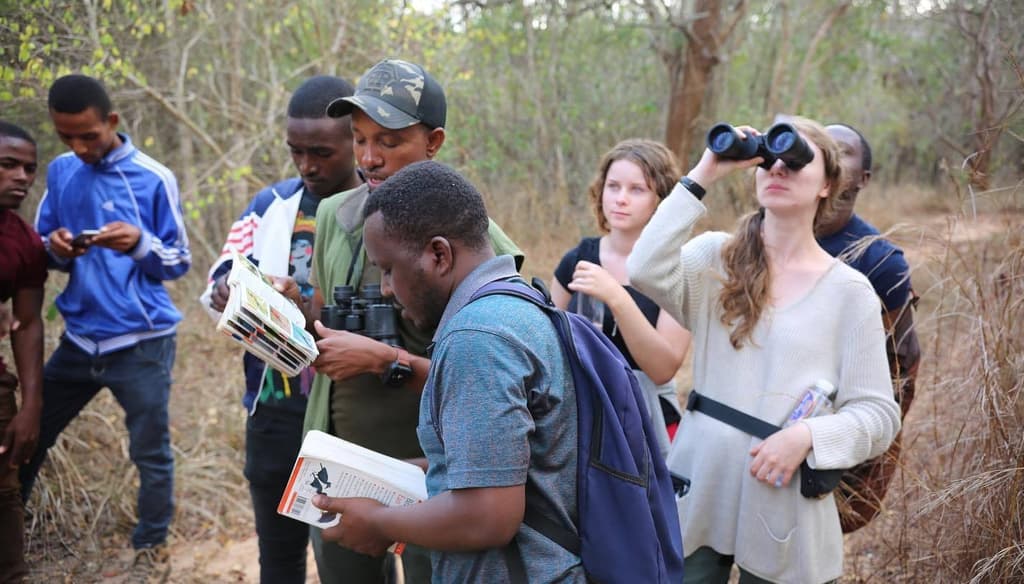
Art in Tanzania's Veterinary Clinic Program places you in Tanzanian clinics alongside local medical personnel — giving you hands-on clinical experience in a setting that will challenge your adaptability, broaden your diagnostic perspective, and connect your professional training to its most direct human consequences.
About the Program
Since 1996, Art in Tanzania has placed approximately 250 participants annually in hands-on community programmes across Tanzania. Our Veterinary Clinic Program is designed for veterinary students and animal science graduates who want supervised clinical experience in a developing-country context — where resourcefulness, practical problem-solving, and community engagement are as important as technical skill.
Your placement is tailored to your academic background, clinical experience, and professional interests. You will work directly alongside Tanzanian veterinary personnel, contributing to real caseloads in real clinical settings.
What You'll Do
Your tasks are shaped around your study background and previous experience, and will typically span:
🐄 Clinical Work & Patient Care Assist veterinary personnel with the examination, diagnosis, and treatment of animals across a range of species — livestock, companion animals, and working animals — in clinic and community settings. The caseload and disease profile differ significantly from what you would encounter in a European or North American veterinary practice, offering genuine clinical breadth.
💉 Procedures & Treatment Support Support veterinary procedures, including vaccinations, wound care, surgical assistance, and medical treatment — developing clinical confidence and procedural competence under direct professional supervision.
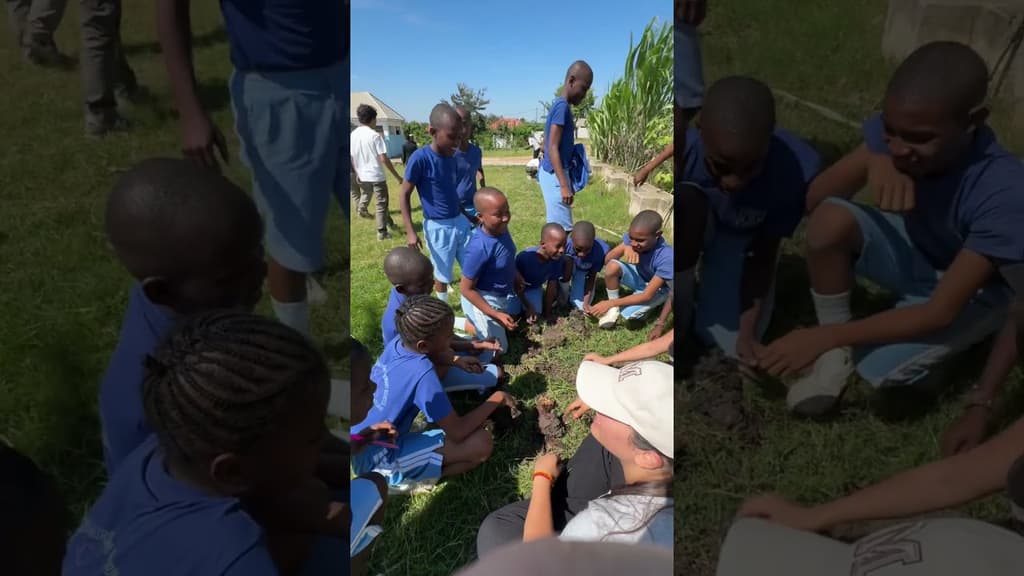
🌍 Community Animal Health Outreach Participate in outreach activities that bring veterinary care and animal health education directly to rural communities — supporting farmers and livestock keepers with the knowledge and access they need to maintain the health of animals that their livelihoods depend on.
🔬 Disease Surveillance & Prevention Contribute to efforts to monitor, prevent, and manage animal disease — including zoonotic diseases that pose risks to both animal and human health. In a country where human and animal health are closely intertwined, this work sits at the intersection of veterinary and public health practice.
📋 Record Keeping & Clinic Administration Support the documentation and administrative functions of clinic operations — developing an understanding of how veterinary services are organised and sustained in a resource-limited environment.
🎓 Knowledge Transfer & Capacity Building Share your training and expertise with local clinic staff and community animal keepers — contributing to the ongoing development of veterinary capacity in communities where access to specialist knowledge is limited.
The Clinical Context
Veterinary practice in Tanzania operates under constraints that will develop your professional capabilities in ways that are difficult to replicate in a well-resourced setting. Equipment is limited. Case presentations may be at more advanced stages than you are used to seeing. Clinical decision-making must be both practical and ideal.
That context produces veterinary graduates who are more adaptable, more resourceful, and better able to work effectively across a wider range of conditions — qualities that distinguish candidates in any veterinary career path.
How It Works
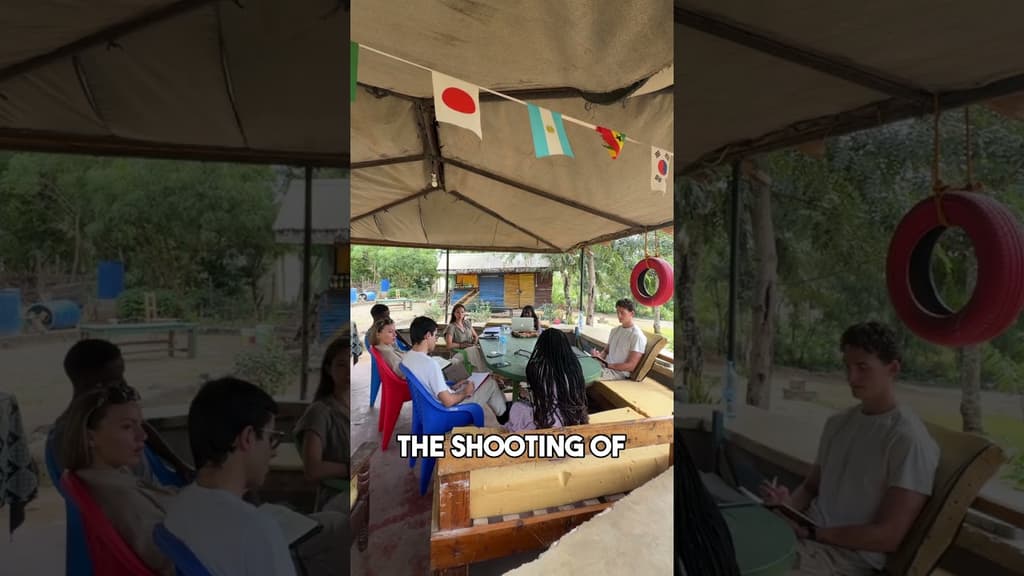
Start date: Flexible — the programme runs continuously year-round. Duration: Adjustable to your academic and clinical placement requirements. Group size: 15–40 international students at any time, drawn from 400+ partner universities worldwide
This programme is designed for veterinary medicine and veterinary science students and graduates. Students in animal science, zoology, wildlife management, and public health with an animal health focus are also welcome to apply.
Life in Tanzania
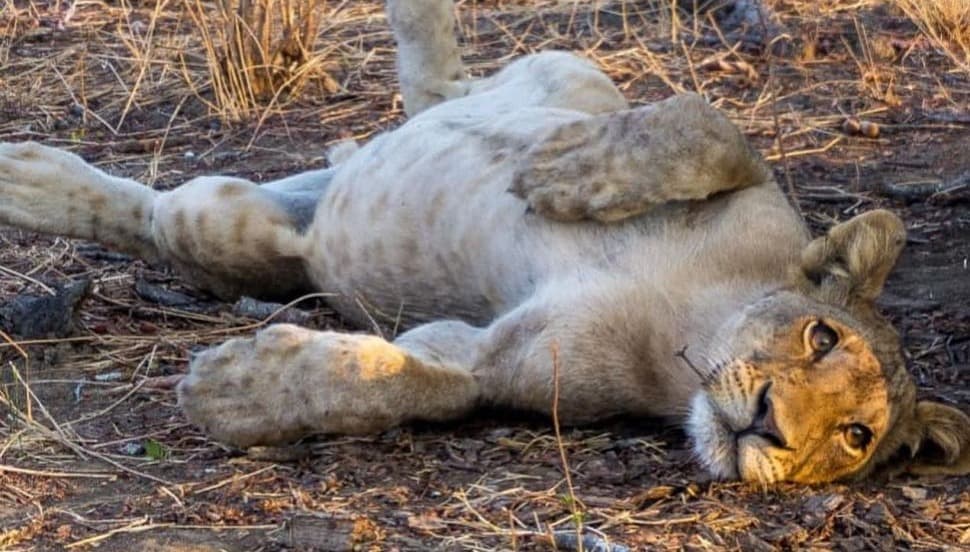
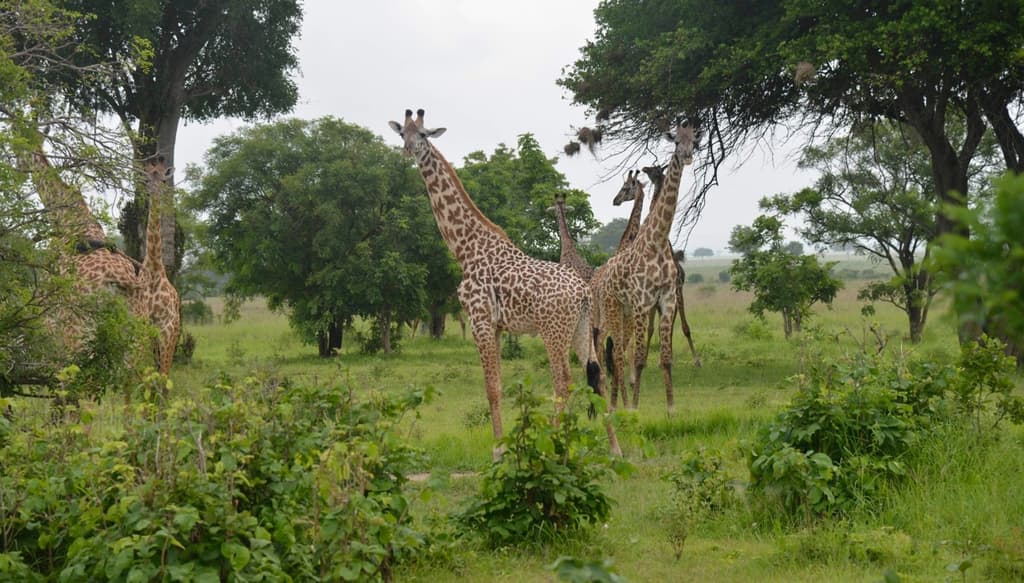
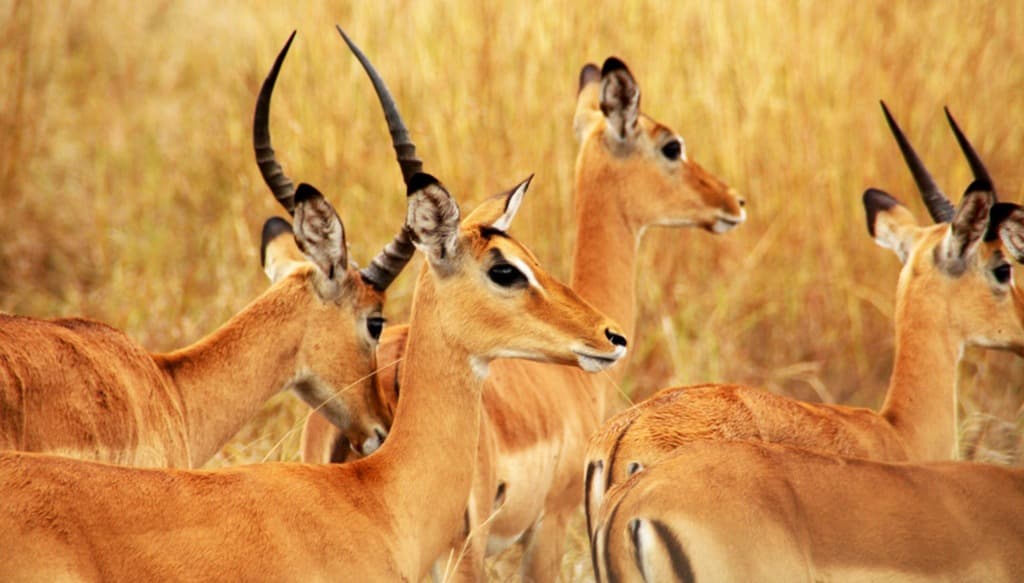
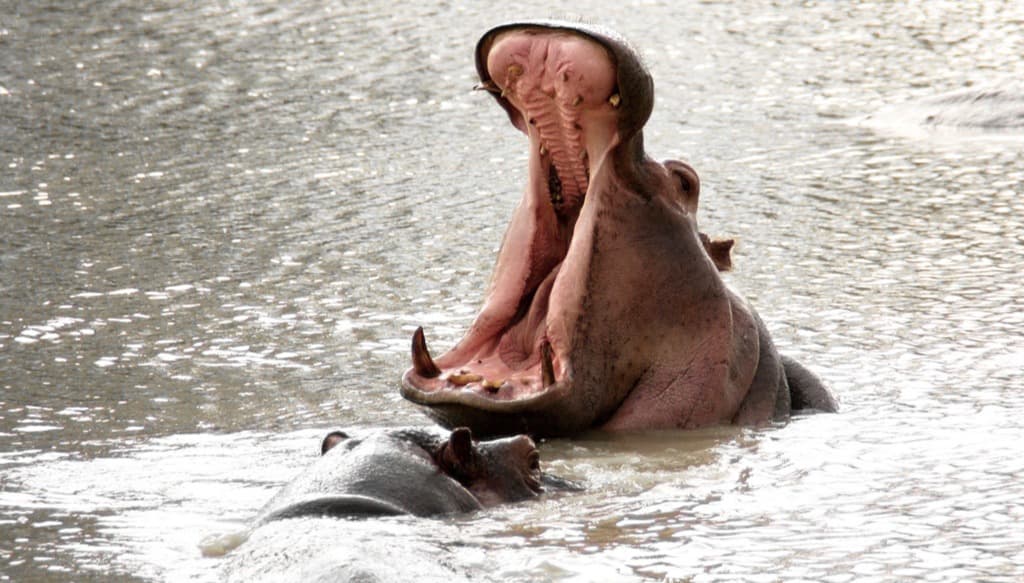
For anyone with a passion for animals, Tanzania is extraordinary. Home to some of the world's most iconic wildlife — from the Serengeti's great migration to the diverse ecosystems of Kilimanjaro and the coast — the country offers a wildlife experience unmatched anywhere on earth. Affordable, sustainable safaris and tours are available for you and visiting friends or family.
Beyond the wildlife, Tanzania's vibrant culture and warm communities make for a living experience that stays with you long after your placement ends.
Funding
Erasmus+ funding may be available for this placement. Speak with your student office about grant options that could fully or partially fund this experience.
Ready to Apply?
📋 Apply now 🌐 Visit our website 🏡 See the compound ✈️ Pre-travel info 🎓 EVOLVET volunteer development programme 💬 Read testimonials 🎁 Benefits & perks
Get in Touch
Tell us about your veterinary training and clinical placement requirements — we'll build a programme around them.
📧 < email supprimé pour raison de sécurité > 📱 WhatsApp: +255 767 777 73 🎥 Schedule a Zoom call — reach out by email